前往图斯特拉古铁雷斯的巴士票

16 个出发地,票价来自和搜索页同一套报价引擎。
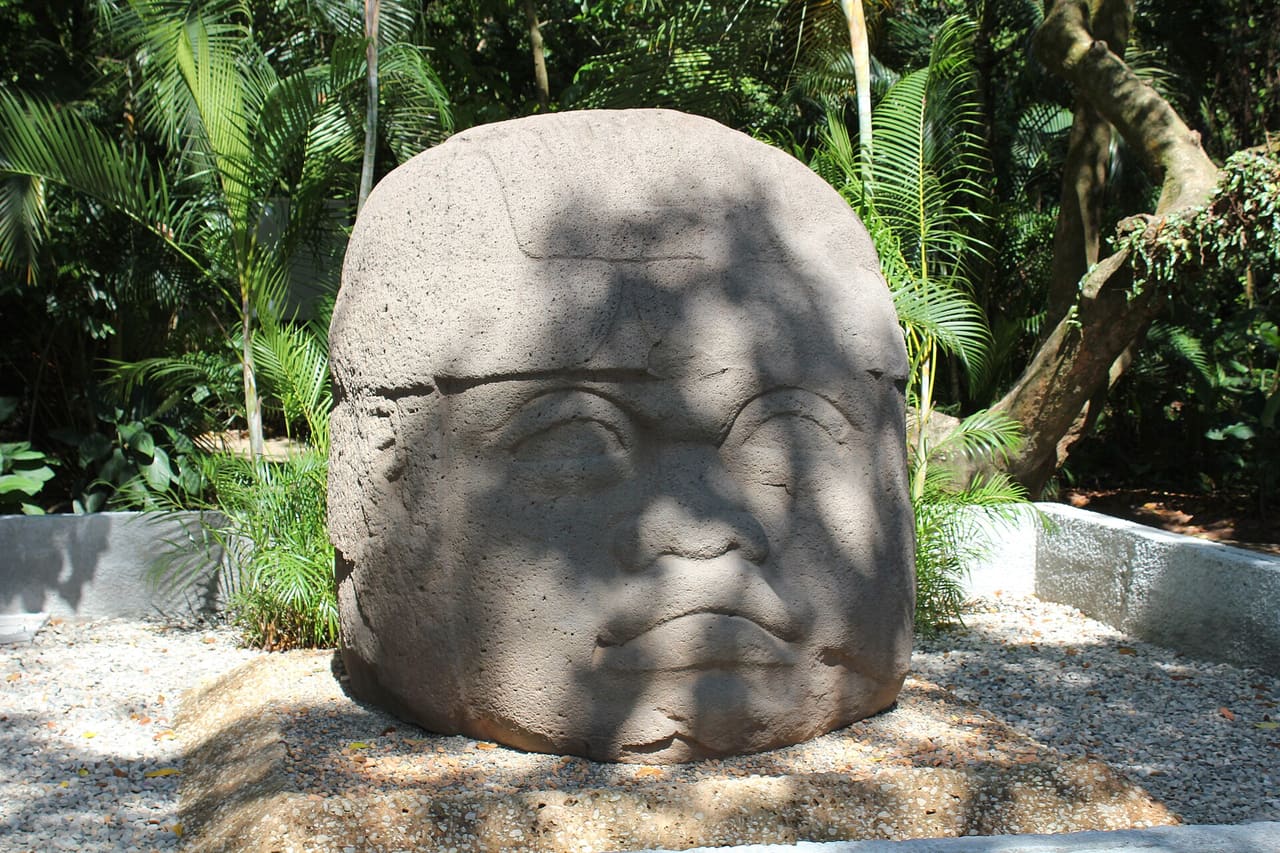
Villahermosa, Parque-Museo La Venta, Colossal Head, Monument 1 The Olmec colossal heads are at least seventeen monumental stone representations of human heads sculpted from large basalt boulders. The heads are a distinctive feature of the Olmec civilization of ancient Mesoamerica. All portray mature men with fleshy cheeks, flat noses, and slightly crossed eyes; their physical characteristics correspond to a type that is still common among the inhabitants of Tabasco and Veracruz. The backs of the monuments often are flat. The boulders were brought from the Sierra de los Tuxtlas mountains of Veracruz. Given that the extremely large slabs of stone used in their production were transported over large distances, requiring a great deal of human effort and resources, it is thought that the monuments represent portraits of powerful individual Olmec rulers. Each of the known examples has a distinctive headdress. The heads were variously arranged in lines or groups at major Olmec centres, but the method and logistics used to transport the stone to these sites remain unclear. Dating the monuments remains difficult because of the movement of many from their original contexts prior to archaeological investigation. Most have been dated to the Early Preclassic period (1500–1000 BC) with some to the Middle Preclassic (1000–400 BC) period. The smallest weigh 6 tons, while the largest is variously estimated to weigh 40 to 50 tons, although it was abandoned and left unfinished close to the source of its stone. The Olmec civilization developed in the lowlands of southeastern Mexico between 1500 and 400 BC. The Olmec heartland lies on the Gulf Coast of Mexico within the states of Veracruz and Tabasco, an area measuring approximately 275 kilometres east to west and extending about 100 kilometres inland from the coast. The Olmecs are regarded as the first civilization to develop in Mesoamerica. The Olmecs were the first inhabitants of the Americas to construct monumental architecture and to settle in towns and cities. They were also the first people in the Americas to develop a sophisticated style of stone sculpture. In the first decade of the 21st century evidence emerged of Olmec writing, with the earliest examples of Olmec hieroglyphs dating to around 650 BC. Examples of script have been found on roller stamps and stone artefacts; the texts are short and have been partially deciphered based on their similarity to other Mesoamerican scripts. The evidence of complex society developing in the Olmec heartland has led to the Olmecs being regarded as the "Mother Culture" of Mesoamerica, although this concept remains controversial. The seventeen confirmed examples of Olmec colossal heads are known from four sites within the Olmec heartland on the Gulf Coast of Mexico, namely San Lorenzo Tenochtitlán, La Venta, Tres Zapotes, and La Cobata. La Venta Monument 1 is speculated to have been the portrait of La Venta's final ruler. Monument 1 measures 2.41 metres high by 2.08 metres wide by 1.95 metres deep; it weighs 24 tons. The front of the headdress is decorated with three motifs that apparently represent the claws or fangs of an animal. Above these symbols is an angular U-shaped decoration descending from the scalp. On each side of the monument a strap descends from the headdress, passing in front of the ear. Each ear has a prominent ear ornament that descends from the earlobe to the base of the monument. The features are those of a mature man, with wrinkles around the mouth, eyes and nose. Monument 1 is the best preserved head at La Venta but has suffered from erosion, particularly at the back. The head was first described by Franz Blom and Oliver La Farge who investigated the La Venta remains on behalf of Tulane University in 1925. When discovered it was half-buried; its massive size meant that the discoverers were unable to excavate it completely. Matthew Stirling fully excavated the monument in 1940, after clearing the thick vegetation that had covered it in the intervening years. Monument 1 has been moved to the Parque-Museo La Venta in Villahermosa. The head was found in its original context; associated finds have been radiocarbon dated to between 1000 and 600 BC. (source: en.wikipedia.org/wiki/Olmec_colossal_heads)

有16个地点可乘巴士前往图斯特拉古铁雷斯,分布在1个国家,由0家运营方经营。最便宜的抵达票价为无。出发地最近51公里,最远822公里,中位数为306公里。

2026年10月13日定价一名乘客,全部费用已含

票价

抵达图斯特拉古铁雷斯

  • 16可以出发的地方
  • 1国家
  • 0运营方

12Go 前往图斯特拉古铁雷斯的票价

这些是 12Go 自己的数字:他们卖得最多的线路,以及每条线路今天显示的最低票价。

在12Go查看塔帕丘拉到图斯特拉古铁雷斯

合作伙伴链接。这一条我们没有任何收益。

巴士把您送到图斯特拉古铁雷斯,但送不来一张床,我们也一样。

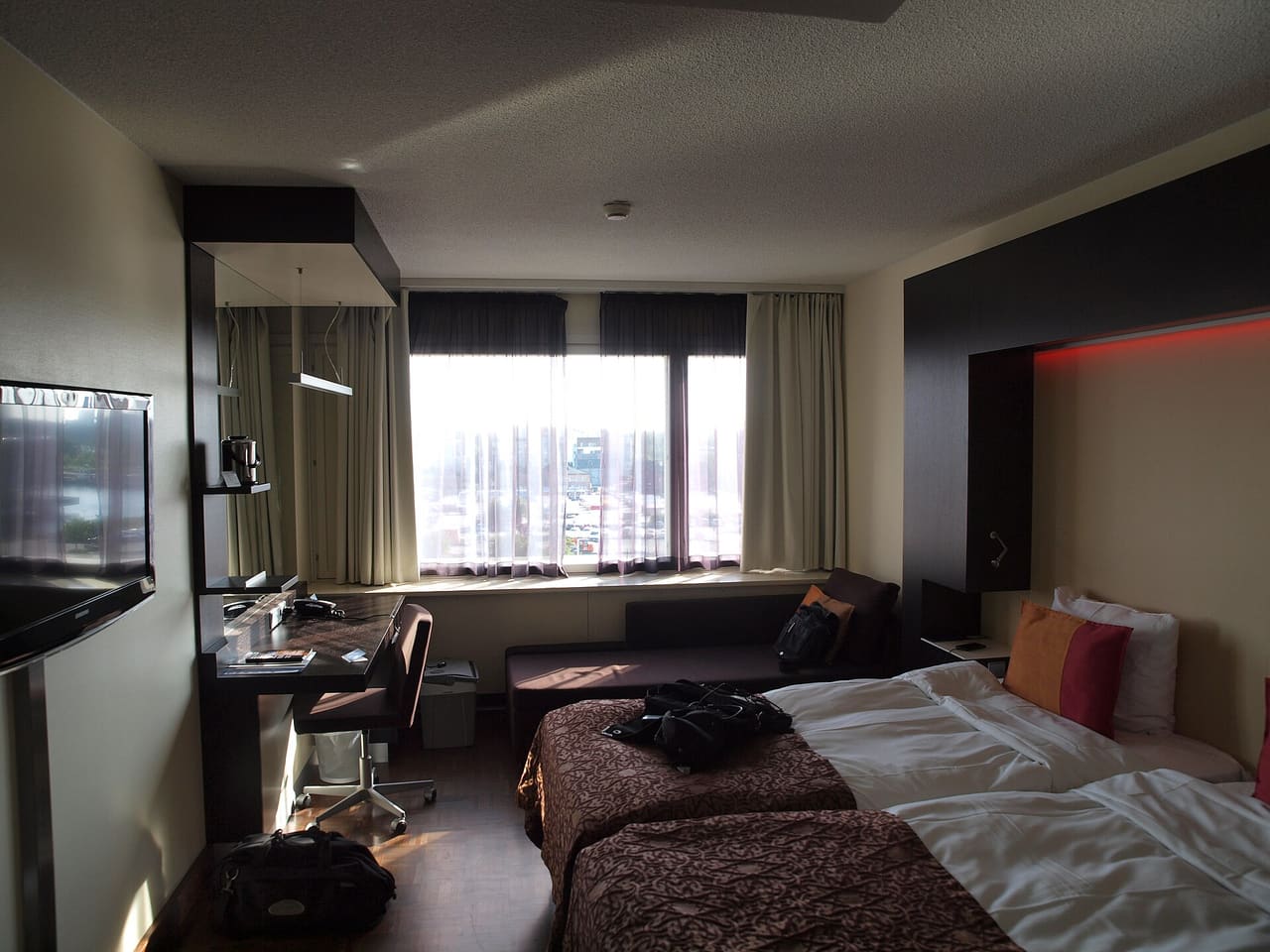
一间酒店客房

巴士抵达的那一晚,在图斯特拉古铁雷斯住哪里

按离Tuxtla Chiapas的距离排序,哪些步行十分钟能到、哪些不能,一目了然。

合作伙伴链接。订单完成时我们会拿到佣金,这不会改变您付的价钱。

客源半径

人们从多远的地方赶来

自我们销售的每个出发地起算的直线距离,而不是线路的实际里程。
距离线路占比其中最近的
200 公里以内638%San Cristóbal de las Casas,51 公里
200 至 600 公里638%Tapachula,225 公里
600 至 1,500 公里425%Mexico City,702 公里
出发国

可以从哪些国家出发抵达

按线路计数,因此一个在该干线上有多座城市的国家,是每条线路计一次,而不是每座城市计一次。
国家线路占比
墨西哥16100%
车站

图斯特拉古铁雷斯的车站、机场和港口

Tuxtla

巴士
  • Tuxtla Chiapas
  • Aexa Tuxtla Gutiérrez
出发

从图斯特拉古铁雷斯出发

关于前往图斯特拉古铁雷斯的巴士票的常见问题

可以从哪些地方乘巴士前往图斯特拉古铁雷斯?

在我们的网络上,有16个地点可乘巴士前往图斯特拉古铁雷斯,分布在1个国家。最近的直线距离51公里,最远822公里。

去图斯特拉古铁雷斯的巴士停靠哪个车站?

前往图斯特拉古铁雷斯的巴士班次使用2个具名车站,其中包括Tuxtla Chiapas, Aexa Tuxtla Gutiérrez。某个班次具体使用哪一个,会显示在该行程的线路页上,车票上也会再写一次,因为在有多个车站的城市,走错一个就是一小时。

这些数字从哪里来

本页的地点、坐标、运营方、哪家运营方服务哪对地点,以及所有距离,都是真实的,来自开放数据。凡是有正式登记时刻表的线路,发车时间也是真实的;轮渡票价则是各家公司自己公布的价格。

凡是我们持有实时报价的地方,价格来自供应商。其余地方,我们给出的是按真实距离、真实运营方,以及随提前天数、星期几和季节变化的票价曲线算出的参考价格。这些标注为估算票价,无法预订。

完整说明见 客源半径, 票价, 门到门

前往图斯特拉古铁雷斯的其他方式

巴士抵达时,离房间能住还有好几个小时。替人看包不是我们卖的东西。
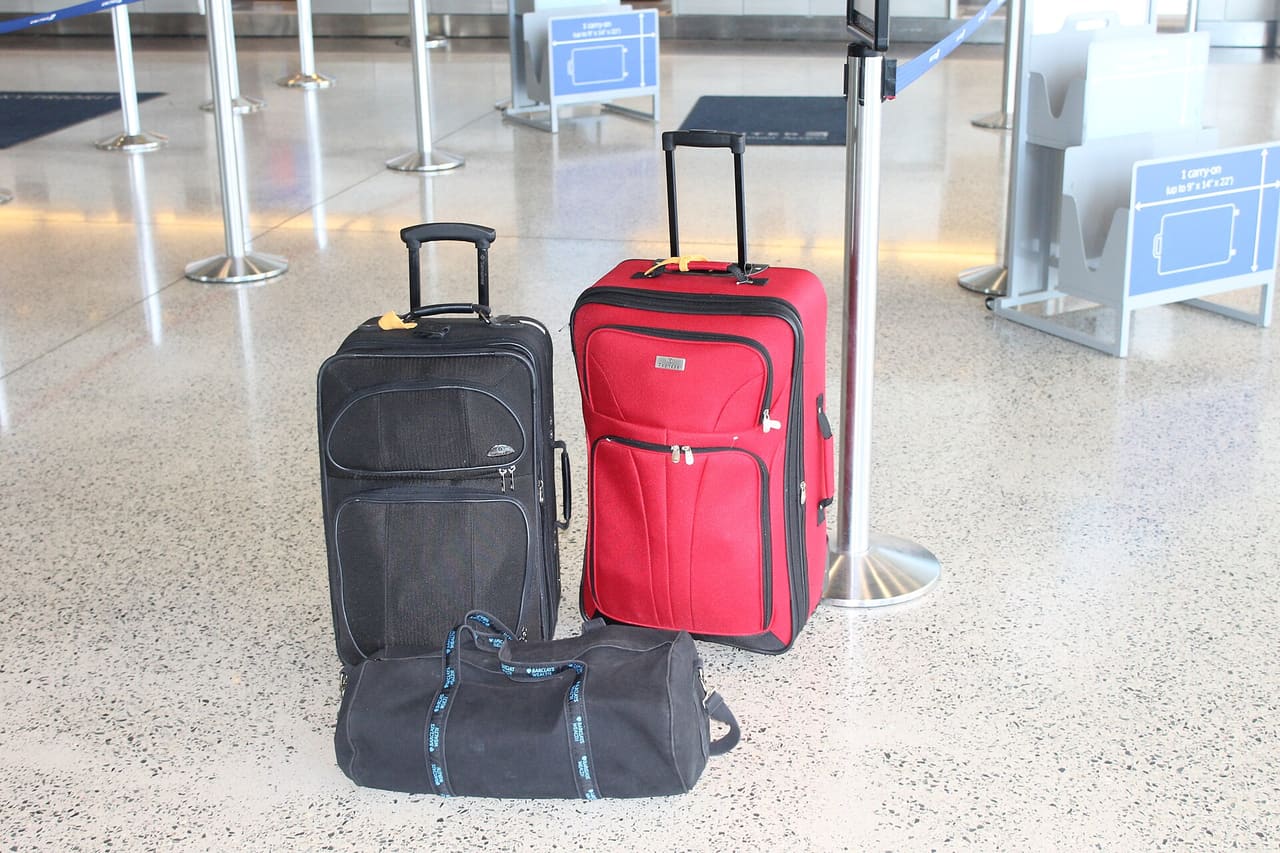
行李寄存柜

Tuxtla Chiapas附近的行李寄存

Tuxtla Chiapas附近的多数寄存点,首班车之前就开门,末班车之后才打烊。

合作伙伴链接。有人下单我们会拿到佣金,价格和直接去订完全一样。

用 Ori 规划

Ori,行程规划助手

可以这样问它